I ran up a mountain and learned something about myself in the process
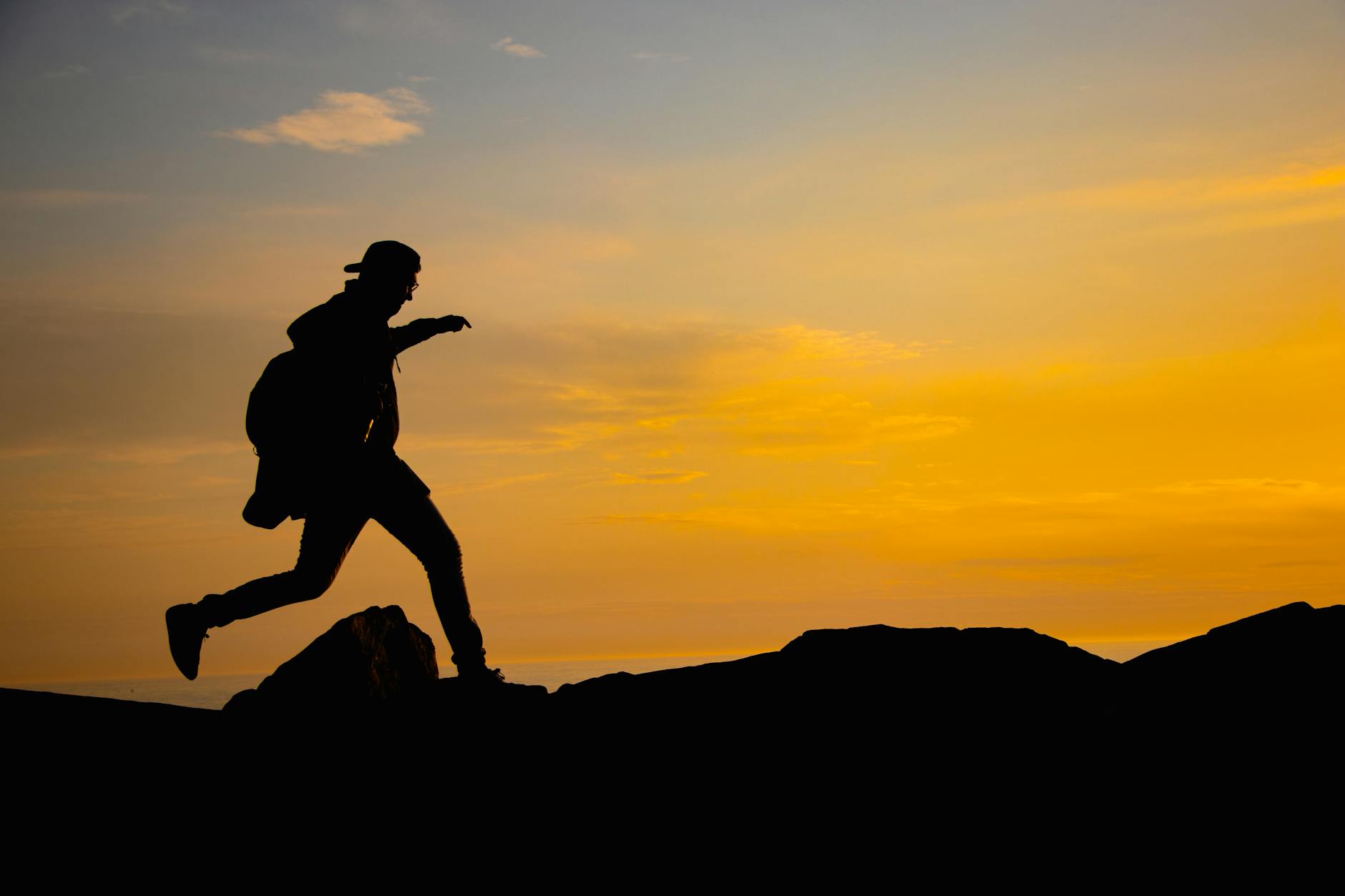
I stood on the edge of Xwaaqw’um (Burgoyne Bay), my friend Andrea beside me. I was struck by the brilliance of fall, with leaves of orange and red, a soft mist over the water. It would be a peaceful scene if not for the 150 runners mingling around me, stretching their limbs, some running circles to the parking lot and back, a hive of nervous energy. The short course was 10.5 kilometres long with a 515 metre vertical gain. It was part of a series previously called “The Gut Buster,” a name the race series still lived up to.
Lesson 1: Turn setbacks into opportunities to improvise
I was wearing oversized runners and hoping that they wouldn’t distract me from my ambitious goal: place sixth in my age category. If I could complete this race, the last in the 2017 series, in what for me would be record time, I would place first in my age-category in the series overall, a win Andrea was confident was hers.
That morning, as I gathered my water bottle, checked my iPod’s playlist (this was 2017 and we were still using iPods), and pulled on my running shorts I realized a crucial mistake. In my after work rush to make it to the ferry from Crofton to Saltspring Island I’d left my expensive, perfectly broken-in running shoes behind.
Fortunately, my brother lived on the island and had a friend with shoes just one size larger than mine. She was willing to help, leaving an old pair of runners on her doorstep for an early morning pick-up en route to the base of Mount Maxwell.
Lesson 2: Find your motivation
I had been training fiercely throughout the season always a few feet behind Andrea whose body, taut and lean, was made for running. Mine, with shins that burned and an awkward gait had been content to fall behind and cheer her wins. After all, we hadn’t entered the race to be competitive. But somewhere along the way I found a loophole that fueled a burning competitiveness in me that I didn’t know was there.
I had discovered that, at the end of the season, the series winners in each category, would be calculated in a way that favoured runners who participated in every race. So, remembering Aesop’s Fable, the Tortoise and the Hare, that is what I did.
By diligently running every race, I achieved a leg-up on Andrea who had to miss one race after promising her kids she would compete in Foam Fest with them, a family-focused 5 km run that took her family through a series of mud, foam, and inflatable obstacles. She did the right thing, prioritizing time with her sons. But it meant she had to miss one of the races we’d committed to. This was my window.
Lesson 3: Find someone to coach you toward your goal
I did the math. If I came in sixth place in the final run of the series, I could beat Andrea despite her speed and agility. And then I did the math again. I wasn’t fast enough to come in sixth, unless I acted quickly.
So I did what any newly-minted competitive armchair athlete would do, I hired a running coach. For six weeks, I showed up on the track and on the trails. She coached me and helped me strategize,. She pushed me to run faster. She encouraged me to stretch more. I went to the gym for strength training. I did every exercise she gave me, and I carefully measured my calories and carbs. I was hyper-focused on winning my age category in this series, a competitiveness that was both unfamiliar and exhilarating.
I realized something new – that if I set my mind to something and believed (truly believed) it was achievable, I could do anything. As I pushed past the limiting beliefs that previously held me back, I was propelled toward my own personal best and a new appreciation for the way resilience rose up in me.
Jennifer Cox, founder of COCO Strategies is a communications professional and leadership coach based in Western Canada. The best part of my work: helping others find their story and bringing that vision to life.

